See where chimney leaks really start, part by part.
See the diagram →
Your technician shows you photos and prices the work in writing.
Use the symptom finder →
Usually the pilot, thermocouple or ignition. See common causes.
Use the symptom finder →
Usually heat escaping through thin attic insulation.
Use the symptom finder →One nationwide team with our own technicians in 27 states.
Or call the 24/7 line: (855) 8-CALL-A1
Home»Chimney Services»Inspections & Cleaning
Services · A1 Chimney & Roofing
Inspections and cleaning are the visits that look at a chimney and remove the buildup a fire leaves behind. The right visit depends on why you called and what the fireplace has been doing.

Pick the job
Every page below explains the work, what it costs to look at, and what to expect.

Annual chimney maintenance is a scheduled sweep plus a look at the parts that usually fail between seasons: the cap, the crown, the damper, and the…
See annual chimney maintenance →
Carbon monoxide testing checks whether a fireplace or heating appliance is spilling carbon monoxide into the house. It is a test of that appliance…
See carbon monoxide testing →
Chimney deep cleaning removes hardened creosote that a standard sweep brush will not take off. The trade name on this service is PCR. It is a heavier…
See chimney deep cleaning (pcr) →
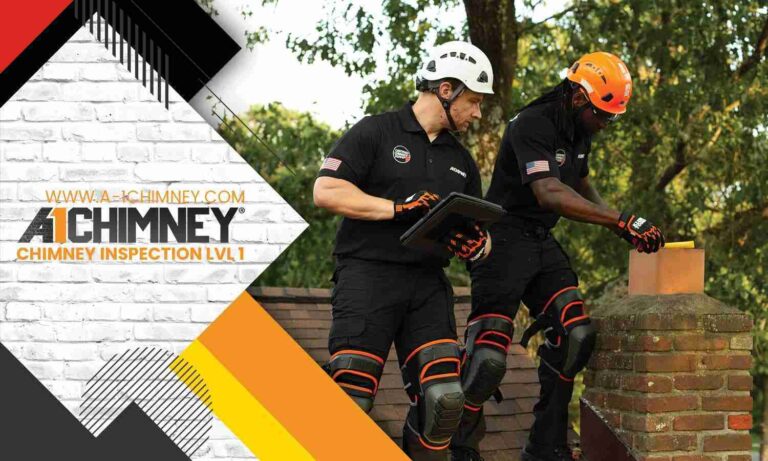
A Level 1 chimney inspection looks at the parts of the chimney you can reach without opening walls or going past the accessible flue. It fits a…
See chimney inspection level 1 →
A Level 2 chimney inspection includes everything in a Level 1 inspection, plus the accessible areas in the attic or crawl space and the interior of…
See chimney inspection level 2 →
A Level 3 chimney inspection is the one that opens concealed areas. It is used only when a Level 1 and a Level 2 inspection cannot reach the…
See chimney inspection level 3 →
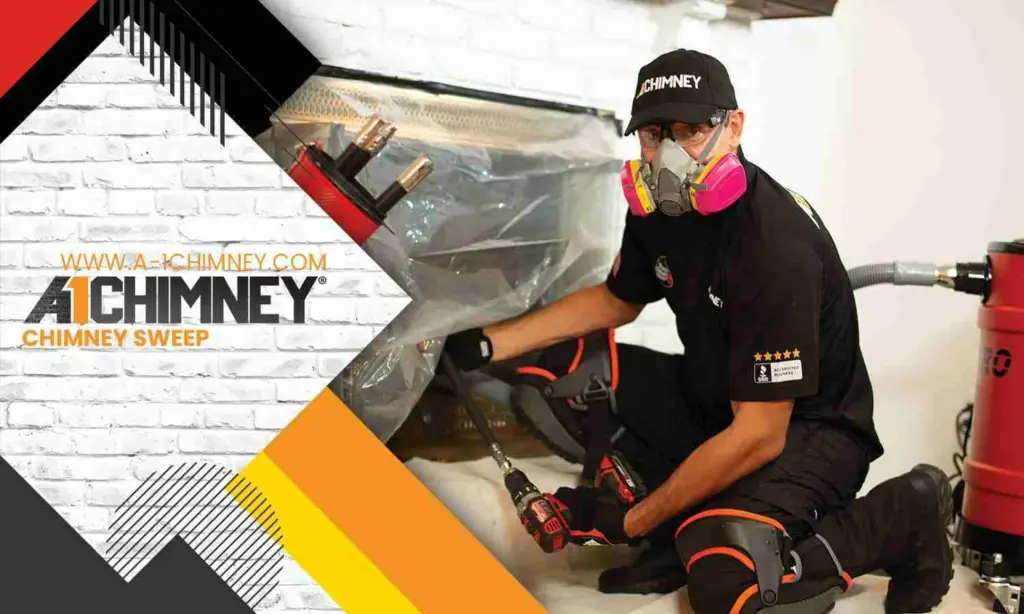
A chimney sweep removes the soot and creosote a fire leaves in the flue, the smoke chamber, and the firebox. It is a cleaning. It is not a rebuild,…
See chimney sweep →
Creosote removal takes the flammable deposits of a wood fire out of the flue. Light creosote is part of a sweep. Glazed creosote is the hardened form…
See creosote removal →
A pellet stove inspection checks the stove and its vent: the burn pot, the fans, the gaskets, and the exhaust path. It is a look and a cleaning of…
See pellet stove inspection →Why A1
One nationwide team with our own technicians, local to you.
Findings, photos and a written price before any work starts.
Before-and-after photos of what we find and what we fix.
Leaks, smoke and storm damage: call day or night.
How it works
Online in a minute, or call the 24/7 line. We confirm your local A1 technician and a time window.
Your technician checks the chimney and the roof around it, and photographs what they find.
You get the findings, the photos and a written price. Nothing starts until you say yes.
Drop cloths down, debris hauled away, before-and-after photos sent to you.
FAQ
Have the chimney inspected once a year, before the first fire. A sweep is due when soot or creosote has built up in the flue. For a wood-burning fireplace that is often the same yearly visit. Gas logs still need the flue, cap, and liner checked. How often a sweep is due goes further, and chimney services covers the work.
A sweep removes the soot and creosote built up in the flue. The visit also looks at the firebox, damper, smoke chamber, cap, and the flue itself. You hear what was found before any further work is recommended. See chimney services.
A Level 1 inspection is the routine look. It covers the firebox, damper, smoke chamber, flue, crown, cap, and the chimney flashing, and it fits when the appliance and the way you use it have not changed. A Level 2 inspection adds accessible areas around the chimney, such as the attic or crawl space, and usually a camera look inside the flue. That level fits a home sale, a change of appliance or fuel, or a fire or storm. A Level 3 inspection is for a suspected hidden hazard. It can mean opening a concealed part of the chimney, and it is not the yearly visit.
A roof inspection is a separate look at the shingles, flashing, and active leaks. A1 tells you which chimney level the house needs. You get the findings before any repair is sold.
Stains on the ceiling near the chimney, white powder on the outside brick, crumbling mortar, a rusty or stuck damper, pieces of flue tile in the firebox, or a strong odor from a cold fireplace are reasons to stop using it and book an inspection. Those signs do not name the repair by themselves.
Smoke in the room can come from a closed or stuck damper, a blockage, a cold flue, or a draft problem. Do not keep the fire going to push the smoke out. Let it die down if you can do that safely, and open a window if the room is filling with smoke. Then schedule an inspection. If anyone feels sick, or you suspect combustion gas, get everyone outside and call emergency services before you call A1.
Water near the chimney is often open flashing, a cracked crown, or a cap that no longer sheds rain. It is not automatically a whole roof that has failed. A1 looks at the masonry and the metal flashing together. What a chimney flashing leak usually means.
Book online
Choose the service and a time that suits you. Your A1 technician confirms the visit, inspects, shows you photos and gives you a written price before any work starts.
Prefer to talk? Call (855) 8-CALL-A1 — we pick up 24/7.

Call the 24/7 line. Our team picks up day or night and sends a technician near you.